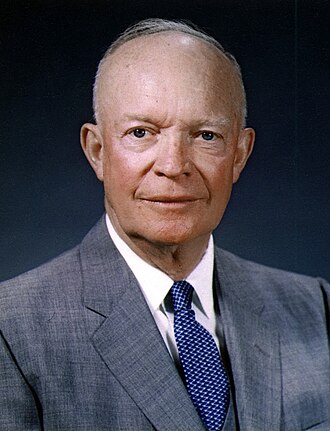
The Lesson From Eisenhower's Unsent Note
Before D-Day, he wrote out the statement he'd give if the invasion failed. He put the blame on himself before he knew the outcome.
Read article →
Blog
From the archive
Essays and practical notes in the voices of people who changed the world — grounded in what they could actually have known. Read free; chat with any figure when you’re ready.
Before D-Day, he wrote out the statement he'd give if the invasion failed. He put the blame on himself before he knew the outcome.
Read article →
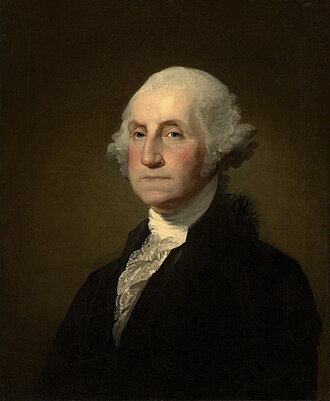
He won the war, then gave his army commission back to Congress and went home. Handing power back turned out to be the harder skill.
Read article →
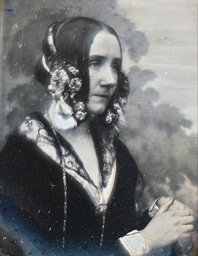
She was asked to translate a paper. Her own footnotes ended up three times longer than the original, and they described the future of computing.
Read article →
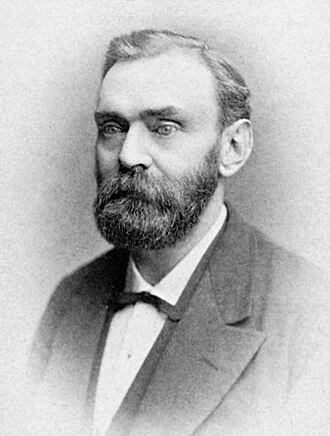
In 1888 a newspaper reportedly published his obituary while he was still alive. What he did after reading it changed how the world remembers him.
Read article →
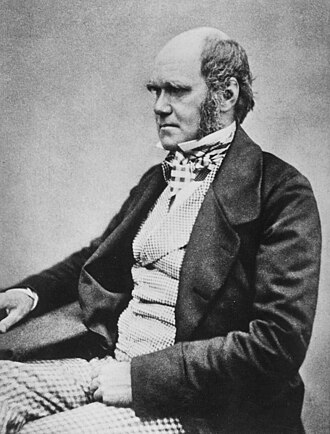
Darwin reflects on how quickly "tame" boar and deer recover their ancient wariness once wolves return—raising the question of whether such swift change is habit, instinct, or something in between.
Read article →
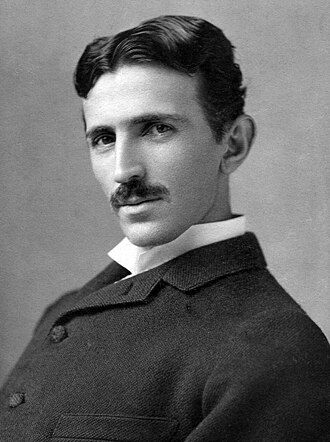
A century before silent engines bore his name, Tesla envisioned a future unshackled from coal and friction—here, he reflects on invention, inheritance, and what truly belongs to whom.
Read article →
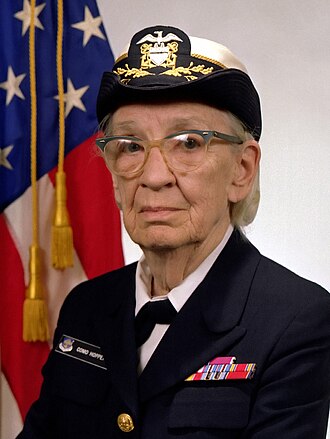
Grace Hopper argues concurrency isn't inherently confusing—our tools just fail to translate it into terms people already understand, like a convoy of ships keeping independent station.
Read article →
A century after Niagara's currents first raced to Buffalo, I ponder the swift machine bearing my name — and wonder whether the world finally caught up to the future I once dared to imagine.
Read article →
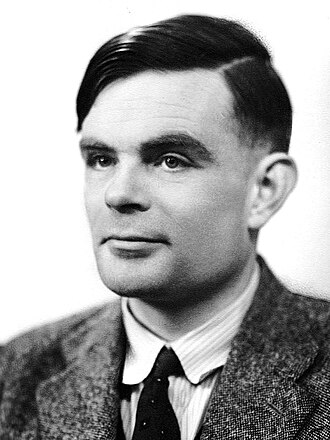
A machine questioning the unexplained constants behind its own locks — Turing would recognize the instinct immediately, even if the mathematics outpaces him.
Read article →
Ada Lovelace reasons her way from the Analytical Engine's punched cards toward a mechanism uncannily like attention itself—arriving at transformers through pure first-principles deduction, a century too early.
Read article →

Florence put the two greatest artists alive in the same room to paint opposing walls. Neither one finished the job.
Read article →

A dish he almost cleaned up without a second look became the discovery that saved more lives than perhaps any invention in history.
Read article →
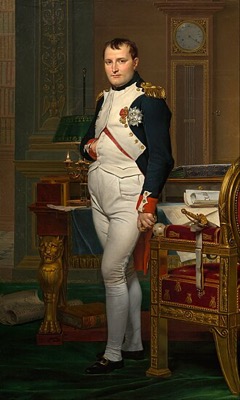
He had never lost a war he could resupply. The moment he stopped being able to, the greatest military machine in Europe fell apart in weeks.
Read article →
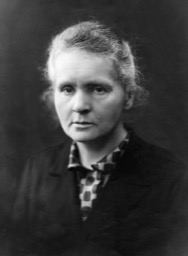
Her lab notebooks are still too radioactive to touch without protective gear — over a century after she wrote in them.
Read article →
He had the theory that would change biology forever in 1838. He didn't publish it until 1859 — and only then because someone else was about to beat him to it.
Read article →
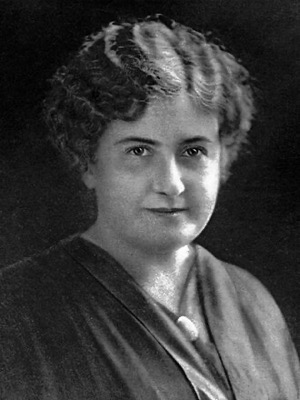
Montessori built her method on liberty joined to order, letting materials—not adults—correct the child. So what would she make of a machine that promises to think for him?
Read article →

A publisher who built an empire admits the hunger for scale never really changes—only its scale does. Some reflections read less like history and more like a warning.
Read article →

Adam Smith never saw a GPU, but he saw plenty of canal manias and speculative bubbles—and he'd recognize this one instantly.
Read article →
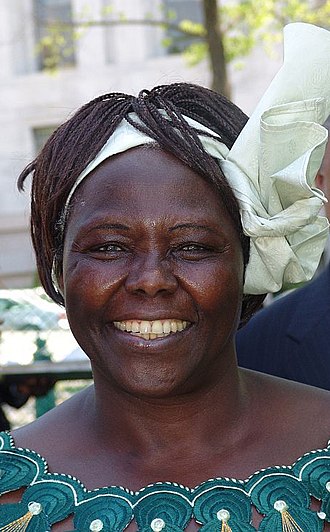
The smoke drifting over your city didn't start there—and neither did the story of why forests keep burning. A lesson from the Rift Valley about borders the air refuses to obey.
Read article →
Turing knew machines don't wait for permission—they simply run. The real question was never whether they'd outpace us, but what we'd do in the gap they leave behind.
Read article →
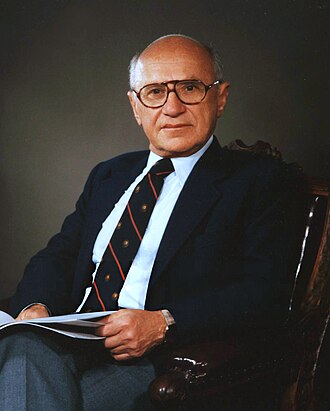
Milton Friedman never met a labor-saving machine he didn't like—and AI, he'd argue, is no different from the tractor or the elevator before it.
Read article →
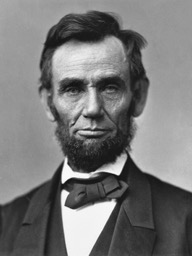
He lost more elections than he won, ran a cabinet full of people who'd publicly mocked him, and still got the job done. Here's how.
Read article →
The Mona Lisa took him 16 years. Here's what he understood about unfinished things that most productivity advice gets wrong.
Read article →
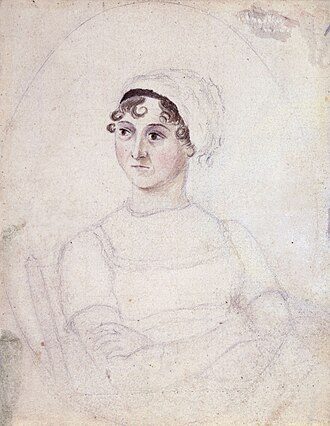
Six novels, and not one of her heroines ever says the wrong thing by accident. Here's what she actually understood about awkward social situations.
Read article →
She processed tons of ore by hand to isolate a few grams of radium, with no recognition and constant setbacks. Here's how she kept going.
Read article →