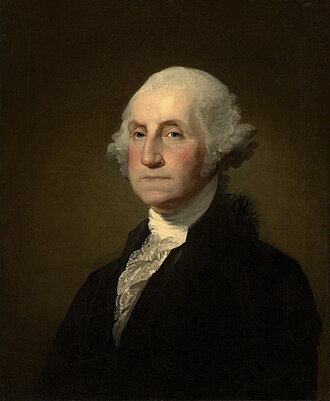
On December 23, 1783, George Washington stood before the Continental Congress in Annapolis, Maryland, and resigned his commission as commander of the army. The war was won. He had the loyalty of an army that had gone long stretches unpaid, and by most accounts nothing practical stopped him from keeping power. He gave it back and went home to Mount Vernon.
Years later, as president, he did it again. He chose not to run for a third term, and he used his farewell address in 1796 to warn against the habits that make power hard to give up.
There's a famous anecdote that the painter Benjamin West told King George III that Washington planned to resign, and that the king replied that if he did, he would be the greatest man in the world. Historians treat that story as plausible but not firmly documented, so take it as color rather than fact. The documented part is enough: he had the opportunity to hold on, and twice declined it.
The lesson isn't that power is bad. It's that stepping away is a skill, and it's rarer and harder than acquiring influence in the first place. Founders hold on to companies too long. Managers hold on to projects they should delegate. Experts hold on to being the person everyone has to ask.
Washington's example suggests asking a different question than "can I keep doing this?" The better one is "what does this need from me now, and is it still me?"