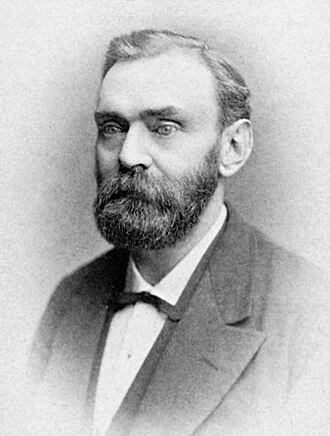
In 1888, Alfred Nobel's brother Ludvig died in France. According to the widely told version of the story, a French newspaper confused the two brothers and ran an obituary for Alfred instead, under a headline calling him "the merchant of death."
Historians debate how much of that account can be pinned down, so treat the details with some care. What isn't in doubt is the shape of the man's situation. Nobel had grown enormously rich from dynamite and from armaments manufacturing, products that built railways and tunnels and also killed people at industrial scale. And in 1895, a year before he died, he signed a will that left most of his fortune to create prizes for achievements in physics, chemistry, medicine, literature, and peace.
Whether or not one newspaper clipping caused that, the story captures something real about how reputation works. Almost nobody gets to read their own obituary. Nobel, at least in the version people tell, did, and he looked at the gap between how he was about to be remembered and how he wanted to be.
The lesson is less sentimental than "be remembered well." It's that your legacy is not something that happens to you after you're gone. It's the sum of decisions you can still make while you're alive, and most of us postpone looking at it directly because the honest version is uncomfortable.
A useful exercise: write the obituary a stranger would write about you based only on what you did this year. Then notice what you'd want to change. Nobel had one rare advantage, which was that his draft was still editable.