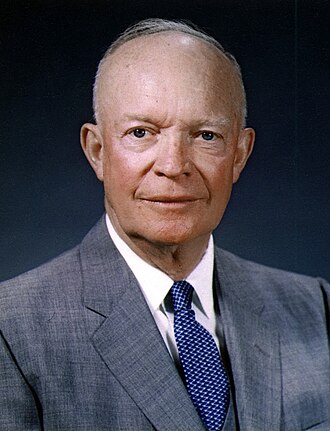
In early June 1944, the largest amphibious invasion in history hung on a weather forecast. Bad conditions forced a one-day delay. Then, after the final go-ahead, Dwight Eisenhower did something that would only surface afterward: he wrote a short statement to release if the landings failed.
The note, in his own handwriting, said that the troops had been withdrawn because he could not get a satisfactory foothold, and that the decision to attack had been based on the best information available. Then it said that if any blame or fault attached to the attempt, it was his alone.
The invasion succeeded, and the note was never sent. It was found later among his papers. It was misdated July, which has long been put down to the strain of the moment.
What's striking isn't the humility. It's the timing. He assigned responsibility to himself before he knew whether he would need to. Most of us write our explanations after the fact, and by then we know which version flatters us.
The lesson is practical. If a decision is big enough to keep you up at night, try writing down in advance what you'll say if it goes badly, and make sure the first person named is you. It does two things. It forces you to look squarely at what you're actually risking, and it leaves you with no room afterward to rewrite the story in your favor.